


Cosmetic Raw Materials Solution
Release time: 2026-09-03
What Are Cosmetic Raw Materials?
Cosmetic raw materials are single substances or mixtures used in the production of skincare, makeup, and personal care products. Different raw materials play various roles in a formulation, such as acting as solvents, moisturizers, emulsifiers, thickeners, preservatives, colorants, form-builders, and sensory enhancers (improving skin feel).
A cosmetic product is usually not made from a single raw material, but is a combination of multiple types of raw materials in specific proportions. Through rational formulation design, a product can achieve a stable texture, a pleasant user experience, expected efficacy, and an appropriate shelf life.
Cosmetic raw material types
-
Base Raw Materials: Form the main body of the product, such as water, oils, waxes, and powders.
-
Functional Raw Materials: Provide specific benefits like moisturizing, soothing, antioxidation, and oil control.
-
Formula Auxiliary Raw Materials: Help emulsify, thicken, preserve, adjust pH, and improve the stability of the product.
-
Sensory Enhancing Raw Materials: Improve color, odor, spreadability, gloss, and skin feel.
-
Form-Building Raw Materials: Enable the product to form structures like pastes, emulsions, gels, pressed powders, or sticks.
Cosmetic raw materials are not entirely synonymous with “active ingredients”. For example, water might be the main raw material in a formula, but its primary role is as a solvent; preservatives usually do not provide direct skincare benefits, but they are crucial for keeping water-based products safe.
Why Are Raw Materials Needed in Cosmetic Manufacturing?
Constituting the Product Base
Raw materials like water, oils, waxes, and powders determine the basic composition of a product.
-
Aqueous solutions and serums are primarily based on a water phase.
-
Lotions and creams consist of a water phase, an oil phase, and an emulsification system.
-
Lipsticks are mainly composed of oils, waxes, and colorants.
-
Eyeshadows, blushes, and hairline powders are primarily made of powders, colorants, and binders.
Achieving Product Form
Different raw materials can help products achieve various appearances and textures:
-
Thickeners are used to create gels, creams, and pastes.
-
Waxes are used to make lipsticks, lip balms, and cream makeup products.
-
Powders are used for eyeshadows, blushes, loose powders, and hairline powders.
-
Film formers are used to create products with adhesion or long-lasting wear.
Facilitating Water and Oil Mixing
Water and oil generally do not mix naturally; emulsifiers can help them form stable emulsion or cream systems.
If the emulsification system is poorly designed, the product may experience:
-
Separation of water and oil phases.
-
Oil pooling on the surface.
-
Texture becoming runny or grainy.
-
Clumping or breaking (demulsification) during storage.
Providing Product Efficacy
Functional raw materials are used to meet different product positionings:
-
Humectants: Help absorb and retain moisture.
-
Emollients: Improve skin softness and smoothness.
-
Occlusives: Reduce transepidermal water loss on the skin surface.
-
Antioxidants: Help protect oils and other components in the formula from oxidation.
-
Skin Conditioning Agents: Used to soothe, moisturize, and improve skin feel.
-
Colorants: Provide the colors and coverage needed for makeup.
Improving User Experience
Raw materials also affect the sensory performance of a product:
-
Spreadability.
-
Absorption rate.
-
Stickiness/tackiness.
-
Gloss/shine.
-
Soft-focus effect.
-
Powder fallout.
-
Wear time and adhesion.
Enhancing Product Stability
Auxiliary raw materials such as preservatives, antioxidants, chelating agents, and pH adjusters help keep products stable during storage and use.
Water-containing cosmetics require special attention to the risk of microbial contamination. The preservative system must be designed based on the product formula, packaging, pH level, and target market regulations.
Makeup Raw Materials and Their Functions
Lipstick Raw Materials
The foundational formula of a lipstick is generally “Oils + Waxes + Colorants.”
| Raw Material Category | Primary Function | Common Raw Materials |
| Oils & Emollients | Provide lubrication, spreadability, and a moisturizing feel | Castor Oil, Mineral Oil, Isononyl Isononanoate, Caprylic/Capric Triglyceride |
| Waxes | Help the lipstick take form, increase hardness and heat resistance | Beeswax, Candelilla Wax, Carnauba Wax, Microcrystalline Wax |
| Colorants | Provide red, pink, orange, brown, and other colors | Iron Oxides, Lakes, Inorganic Pigments, Organic Pigments |
| Film Formers | Enhance adhesion, long wear, and transfer resistance | Trimethylsiloxysilicate, Polybutene, Acrylates Copolymers |
| Filler Powders | Adjust coverage, gloss, and texture | Silica, Talc, Mica |
| Antioxidants | Reduce oil oxidation and off-odors | Tocopherol (Vitamin E), BHT |
| Fragrances or Flavorings | Improve odor and user experience | Fragrances, Peppermint-derived ingredients |
Characteristics of different lipstick types:
-
Matte Lipstick: Usually contains more powders and film formers to reduce surface gloss.
-
Moisturizing/Sheer Lipstick: Typically features more oils and emollients to make the lips feel more hydrated.
-
Long-wear Lipstick: Usually utilizes more film formers and volatile carriers.
-
Lip Gloss/Liquid Lipstick: Generally contains liquid oils, film formers, colorants, and volatile solvents.
Eyeshadow Raw Materials
| Raw Material Category | Primary Function | Common Raw Materials |
| Colorants | Provide various colors and color payoffs | Iron Oxides, Ultramarines, Lakes, Titanium Dioxide |
| Pearlescent Powders | Create shimmer, metallic, or satin finishes | Mica, Synthetic Fluorphlogopite, Iron Oxide-coated Mica |
| Filler Powders | Improve soft-focus, spreadability, and oil absorption | Talc, Starch, Silica, Boron Nitride |
| Binders | Help compress the powder and improve adhesion | Magnesium Stearate, Zinc Stearate, Oils and Esters |
| Antioxidants | Protect oil-based components in the formula | Tocopherol |
| Preservatives | Reduce the risk of microbial contamination | Phenoxyethanol, etc. |
Colorants used in eye makeup must be verified as safe and permitted for use around the eyes. Different countries and regions may have varying regulations regarding the types of colorants, areas of application, and usage limits.
Blush Raw Materials
The formula for blush is generally similar to eyeshadow, but it places greater emphasis on color softness, payoff, and skin affinity.
Common raw materials include:
-
Colorants: Provide pink, peach, coral, and reddish-brown tones.
-
Mica and Pearlescent Powders: Create a glowing or highlighting effect.
-
Silica and Starch: Absorb excess oil and improve the tactile feel of the powder.
-
Talc: Helps the powder spread smoothly.
-
Magnesium Stearate: Enhances adhesion and pressing performance.
-
Oils and Esters: Used for cream or liquid blushes.
-
Preservatives: Used for water-containing formulas like liquids and creams.
Hairline Powder Raw Materials
Hairline powder is mainly used to fill in hairline gaps, contour the face shape, and visually enhance hair density.
| Raw Material Category | Primary Function |
| Black, Brown, & Grey Colorants | Match different hair colors |
| Oil-absorbing Powders | Reduce shine on the scalp and hair roots |
| Slip-enhancing Powders | Improve application and spreadability |
| Adhesives/Binders | Help the powder adhere to the hair and hairline |
| Film Formers | Increase longevity |
| Waxes and Oils | Used for cream/paste hairline products |
| Preservatives | Protect liquid or paste formulas |
Hairline powders typically need to strike a balance between natural hair color matching, powder fineness, adhesion, and sweat resistance.
Skincare Raw Materials and Their Functions
Aqueous Solutions and Toners
Toners usually use water as their primary solvent, featuring a lightweight texture suitable for water-soluble humectants and functional ingredients.
| Raw Material Category | Primary Function | Common Raw Materials |
| Solvents | Dissolve and carry other components | Water, Alcohol (Ethanol) |
| Humectants | Absorb and retain moisture | Glycerin, Butylene Glycol, Propylene Glycol, Betaine |
| Functional Ingredients | Provide specific skincare claims | Niacinamide, Panthenol, Allantoin |
| Solubilizers | Help oil-based components disperse in water | Polysorbates, PEG-based solubilizers |
| Chelating Agents | Enhance formula stability | Disodium EDTA |
| Preservatives | Reduce the risk of microbial contamination | Phenoxyethanol, Sodium Benzoate |
| pH Adjusters | Adjust acidity/alkalinity | Citric Acid, Sodium Citrate, Sodium Hydroxide |
Emulsions / Lotions
Lotions are stable systems formed by a water phase and an oil phase through emulsifiers. They are typically more moisturizing than toners and lighter than creams.
| Raw Material Category | Primary Function | Common Raw Materials |
| Water Phase | Acts as the base solvent | Water, Humectants |
| Oil Phase | Provides emollience and smoothness | Plant Oils, Mineral Oil, Esters, Silicones |
| Emulsifiers | Stabilize the water-oil mixture | Glyceryl Stearate, Polysorbates |
| Thickeners | Adjust viscosity and texture | Cetearyl Alcohol, Carbomer, Xanthan Gum |
| Functional Ingredients | Provide hydration, soothing, or antioxidation | Niacinamide, Panthenol, Sodium Hyaluronate |
| Preservatives | Extend the product’s shelf life | Phenoxyethanol, Ethylhexylglycerin |
| Antioxidants | Prevent oil oxidation | Tocopherol |
Essences / Serums
Serums typically emphasize clear functional positioning, but the specific formula varies based on the product type.
| Functional Direction | Common Raw Materials | Primary Function |
| Hydration | Sodium Hyaluronate, Glycerin, Sodium PCA, Panthenol | Attracts moisture and improves skin softness |
| Skin Tone Care | Niacinamide, Vitamin C Derivatives, Dipotassium Glycyrrhizate | Used for uneven skin tone products |
| Anti-aging | Retinol, Peptides, Adenosine | Used for anti-aging and firming formulations |
| Soothing | Panthenol, Allantoin, Beta-Glucan, Centella Asiatica Extract | Relieves dryness or discomfort |
| Antioxidation | Tocopherol, Vitamin C Derivatives, Botanical Extracts | Helps protect against oxidative stress |
| Oil/Keratin Control | Salicylic Acid, Zinc Salts, Niacinamide | Used for oily skin or exfoliation products |
Creams
Creams generally contain more oil phase components, thickeners, and occlusives, emphasizing hydration, softness, and a protective feel.
| Raw Material Category | Primary Function | Common Raw Materials |
| Emollients | Improve skin softness and smoothness | Plant Oils, Esters, Silicones |
| Occlusives | Reduce moisture loss | Petrolatum, Mineral Oil, Shea Butter |
| Emulsifiers | Stabilize the water-oil system | Glyceryl Stearate, Polysorbates |
| Fatty Alcohols | Thicken and improve cream texture | Cetyl Alcohol, Stearyl Alcohol, Cetearyl Alcohol |
| Barrier Care Ingredients | Support the concept of skin barrier care | Ceramides, Cholesterol, Fatty Acids |
| Humectants | Increase water content and moisture feel | Glycerin, Sodium Hyaluronate, Urea |
| Preservatives | Protect water-containing formulas | Phenoxyethanol, Potassium Sorbate |
| Antioxidants | Protect oils and functional ingredients | Tocopherol |
Masks
| Mask Type | Common Raw Materials | Primary Function |
| Sheet Masks | Water, Humectants, Thickeners, Sheet Material | Carry serum and create a moist environment |
| Clay Masks | Kaolin, Bentonite, Silica | Absorb oil and improve the sensation of cleanliness |
| Wash-off Masks | Water, Oils, Colloids, Powders | Moisturize, cleanse, or condition skin feel |
| Sleeping Masks | Humectants, Oils, Film Formers, Thickeners | Provide a rich, moisture-locking feel |
| Peel-off Masks | Film Formers, Solvents, Plasticizers | Form a peelable film upon drying |
| Gel Masks | Carbomer, Xanthan Gum, Cellulose Gums | Form a cooling, soft gel texture |
Commonly Used Cosmetic Raw Materials
High-Frequency Base Raw Materials
| Raw Material Name | INCI Name | CAS Number | Primary Use |
| Water | Aqua/Water | 7732-18-5 | Solvent and base medium |
| Glycerin | Glycerin | 56-81-5 | Humectant/moisturizing |
| Butylene Glycol | Butylene Glycol | 107-88-0 | Moisturizing, solvent, improving skin feel |
| Propylene Glycol | Propylene Glycol | 57-55-6 | Moisturizing, solvent, solubilizer |
| Ethanol | Alcohol | 64-17-5 | Solvent, volatilization, refreshing feel |
| Phenoxyethanol | Phenoxyethanol | 122-99-6 | Preservative |
| Ethylhexylglycerin | Ethylhexylglycerin | 70445-33-9 | Preservative booster, skin conditioning |
| Carbomer | Carbomer | 9003-01-4 | Gel thickener |
| Xanthan Gum | Xanthan Gum | 11138-66-2 | Thickener and stabilizer |
| Disodium EDTA | Disodium EDTA | 139-33-3 | Metal ion chelating |
| Citric Acid | Citric Acid | 77-92-9 | pH adjustment |
| Sodium Citrate | Sodium Citrate | 68-04-2 | Buffering and pH adjustment |
| Cetearyl Alcohol | Cetearyl Alcohol | 67762-27-0 | Thickening, emollience, emulsification aid |
| Stearyl Alcohol | Stearyl Alcohol | 112-92-5 | Thickening and emollience |
| Cetyl Alcohol | Cetyl Alcohol | 36653-82-4 | Thickening and emollience |
Common Oils, Emollients, and Structurants
| Raw Material Name | CAS Number | Primary Use |
| Caprylic/Capric Triglyceride | 65381-09-1 / 73398-61-5 | Provides a lightweight, smooth skin feel |
| Mineral Oil | 8042-47-5 / 8012-95-1 | Emollient and occlusive moisturizing |
| Petrolatum (Vaseline) | 8009-03-8 | Reduces moisture loss |
| Dimethicone | 9006-65-9 / 63148-62-9 | Improves smoothness and film-forming sensation |
| Cyclopentasiloxane | 541-02-6 | Improves spreadability and lightweight feel |
| Shea Butter | 194043-92-0 / 91080-23-8 | Provides nourishment and emollience |
| Castor Oil | 8001-79-4 | Commonly used in color cosmetics like lipstick |
| Jojoba Seed Oil | 61789-91-1 / 90045-98-0 | Emollient and improves skin feel |
| Sunflower Seed Oil | 8001-21-6 | Plant oil-based emollient |
| Glyceryl Stearate | 123-94-4 / 31566-31-1 | Emulsification, emollience, thickening aid |
| Stearic Acid | 57-11-4 | Thickening, emollience, emulsification aid |
| Beeswax | 8012-89-3 / 8006-40-4 | Form-building, increasing hardness and adhesion |
| Candelilla Wax | 8006-44-8 | Form-building and improving heat resistance |
| Carnauba Wax | 8015-86-9 | Increasing hardness and gloss |
Common Functional Raw Materials
| Raw Material Name | CAS Number | Primary Product Focus |
| Niacinamide | 98-92-0 | Moisturizing, oil control, skin tone care |
| Panthenol | 81-13-0 / 16485-10-2 | Moisturizing and soothing |
| Allantoin | 97-59-6 | Soothing and skin conditioning |
| Sodium Hyaluronate | 9067-32-7 | Moisturizing and improving lubricity |
| Sodium PCA | 28874-51-3 | Humectant/moisturizing |
| Betaine | 107-43-7 | Moisturizing and improving skin feel |
| Ceramides | Varies (e.g., Ceramide NP: 100403-19-8) | Skin barrier care |
| Tocopherol | 59-02-9 / 1406-18-4 | Antioxidation and skin conditioning |
| Ascorbic Acid & Derivatives | 50-81-7 (Ascorbic Acid) / Varies | Antioxidation and skin tone care |
| Retinol & Derivatives | 68-26-8 (Retinol) / Varies | Anti-aging formulation focus |
| Peptides | Varies by specific peptide | Firming and anti-aging formulation focus |
| Dipotassium Glycyrrhizate | 68797-35-3 | Soothing and skin conditioning |
| Centella Asiatica Extract | 84696-21-9 | Soothing and skin conditioning |
| Beta-Glucan | 9041-22-9 | Moisturizing and soothing |
| Salicylic Acid | 69-72-7 | Keratin conditioning and oil control products |
Common Makeup Powders and Colorants
| Raw Material Name | CAS Number | Primary Use |
| Talc | 14807-96-6 | Filling, oil absorption, improving slip |
| Mica | 12001-26-2 | Pearlescence, gloss, soft-focus |
| Synthetic Fluorphlogopite | 12003-38-2 | Highlighting and pearlescent effects |
| Silica | 7631-86-9 / 112945-52-5 | Oil absorption, soft-focus, improving powder flow |
| Titanium Dioxide | 13463-67-7 | White pigment, coverage, color adjustment |
| Iron Oxides | 1332-37-2 (General) | Red, yellow, black, and brown colorants |
| Zinc Oxide | 1314-13-2 | White pigment and coverage |
| Magnesium Stearate | 557-04-0 | Powder binding and improving adhesion |
| Boron Nitride | 10043-11-5 | Silky skin feel and soft-focus |
| Starch & Modified Starch | 9005-25-8 (Starch) / Varies | Oil absorption and improving powder tactile feel |
| Ultramarines | 57455-37-5 | Blue and purple tones |
| Lakes | Varies by pigment type | Provide a variety of makeup colors |
| Carbon Black | 1333-86-4 | Black eyeliner, mascara, and hairline products |
| Kaolin | 1332-58-7 | Oil absorption and cleansing masks |
| Bentonite | 1302-78-9 | Absorbing oil and increasing clay mask viscosity |
Core Raw Materials by Product Type
| Product | Core Raw Material Combination | Key Formula Requirements |
| Lipstick | Oils, Waxes, Colorants, Powders, Film Formers | Formability, color payoff, adhesion, long wear |
| Eyeshadow | Powders, Colorants, Pearlescent Powders, Binders | Color payoff, spreadability, fallout control, eye area safety |
| Blush | Colorants, Powders, Binders, Pearlescent Powders | Natural color, skin affinity, blendability, adhesion |
| Hairline Powder | Colorants, Oil-absorbing Powders, Adhesives, Film Formers | Hair color match, sweat resistance, adhesion |
| Aqueous Solutions/Toners | Water, Humectants, Functional Ingredients, Preservatives | Refreshing feel, stability, microbial control |
| Lotions/Emulsions | Water, Oils, Emulsifiers, Thickeners, Preservatives | Water-oil stability, skin feel, long-term storage stability |
| Serums/Essences | Water, Humectants, High-level Functional Ingredients | Active component stability, skin feel, efficacy targeting |
| Creams | Water, Oils, Emulsifiers, Fatty Alcohols, Occlusives | Richness/moisture, spreadability, skin barrier care |
| Masks | Base Liquid, Humectants, Thickeners, Sheet/Powder | Liquid retention, fit/adherence, skin feel, preservation system |
Why choose ZCChem Cosmetic Raw Materials
| Establish 2017 | R&D 50+ | Partners 200+ | Countries 150+ | Area 16000 ㎡ |
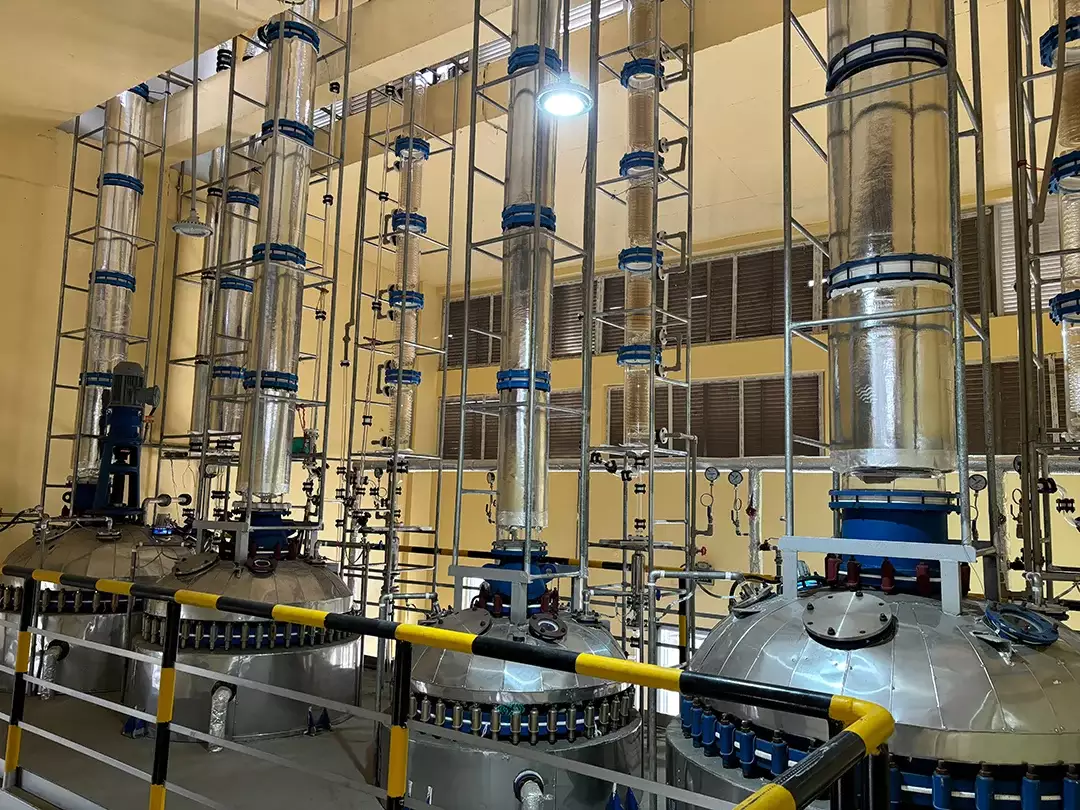
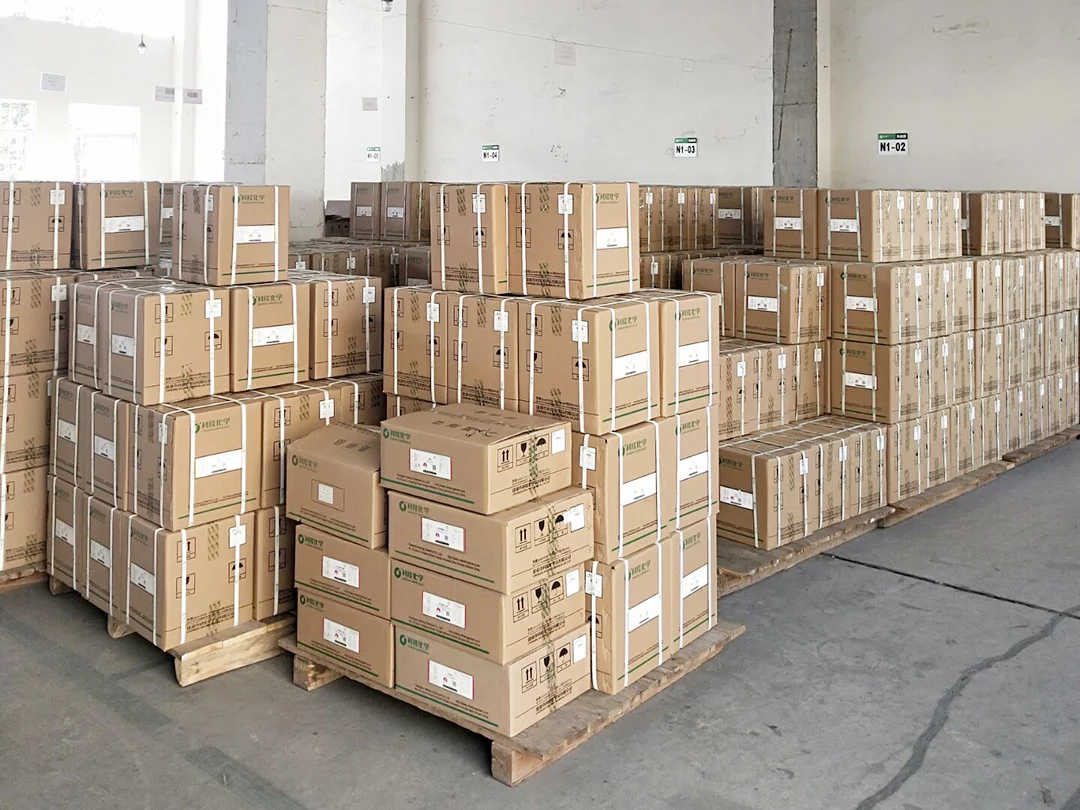
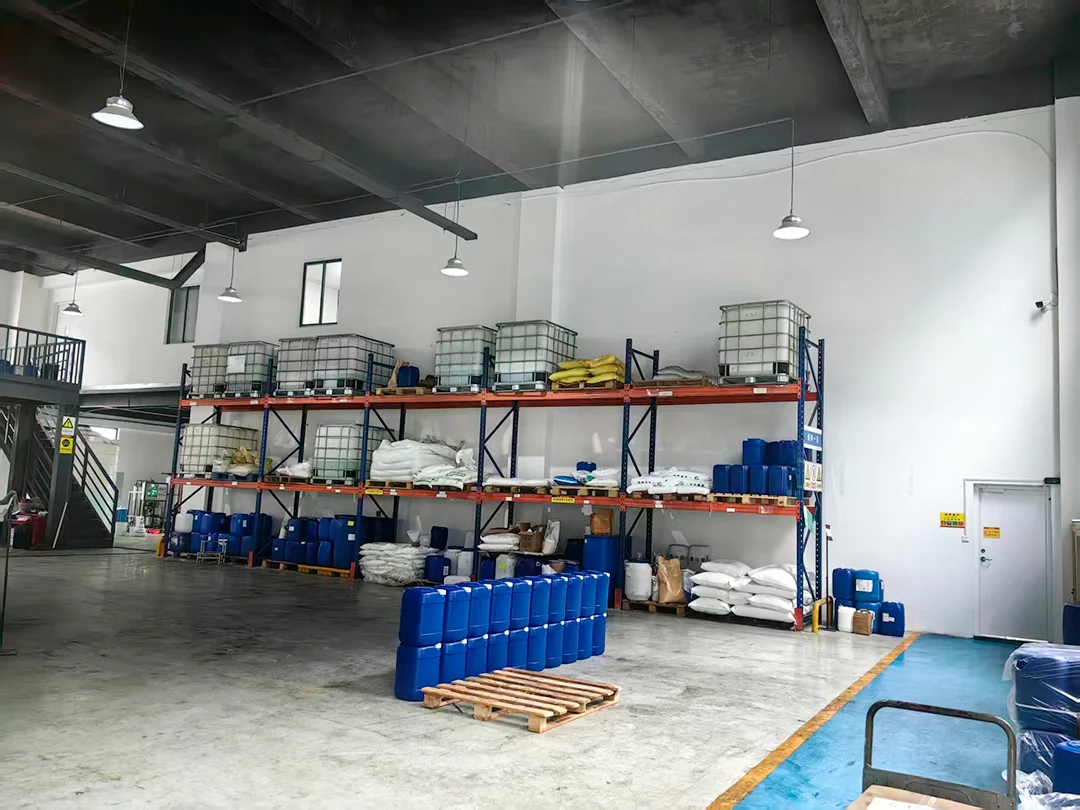
ZCChem Factory Environment
 |
 |
 |
 |
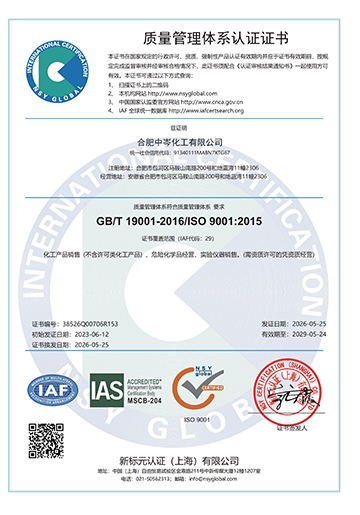
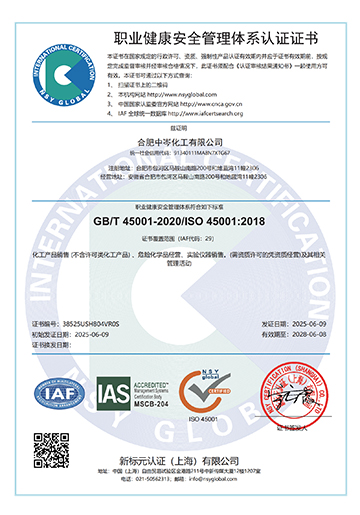
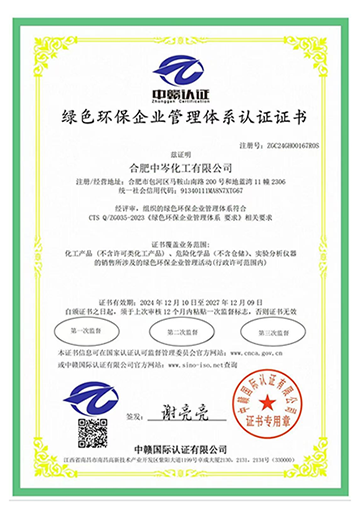
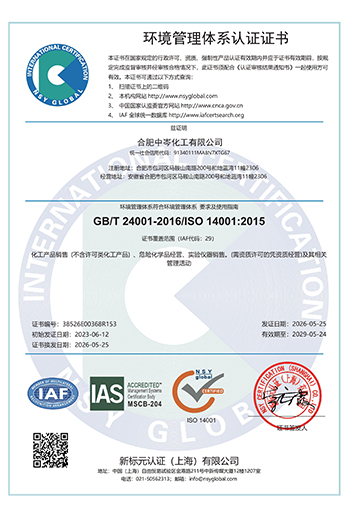
ZCChem Cosmetic Raw Materials Certificate & Honor
 |
 |
 |
 |