


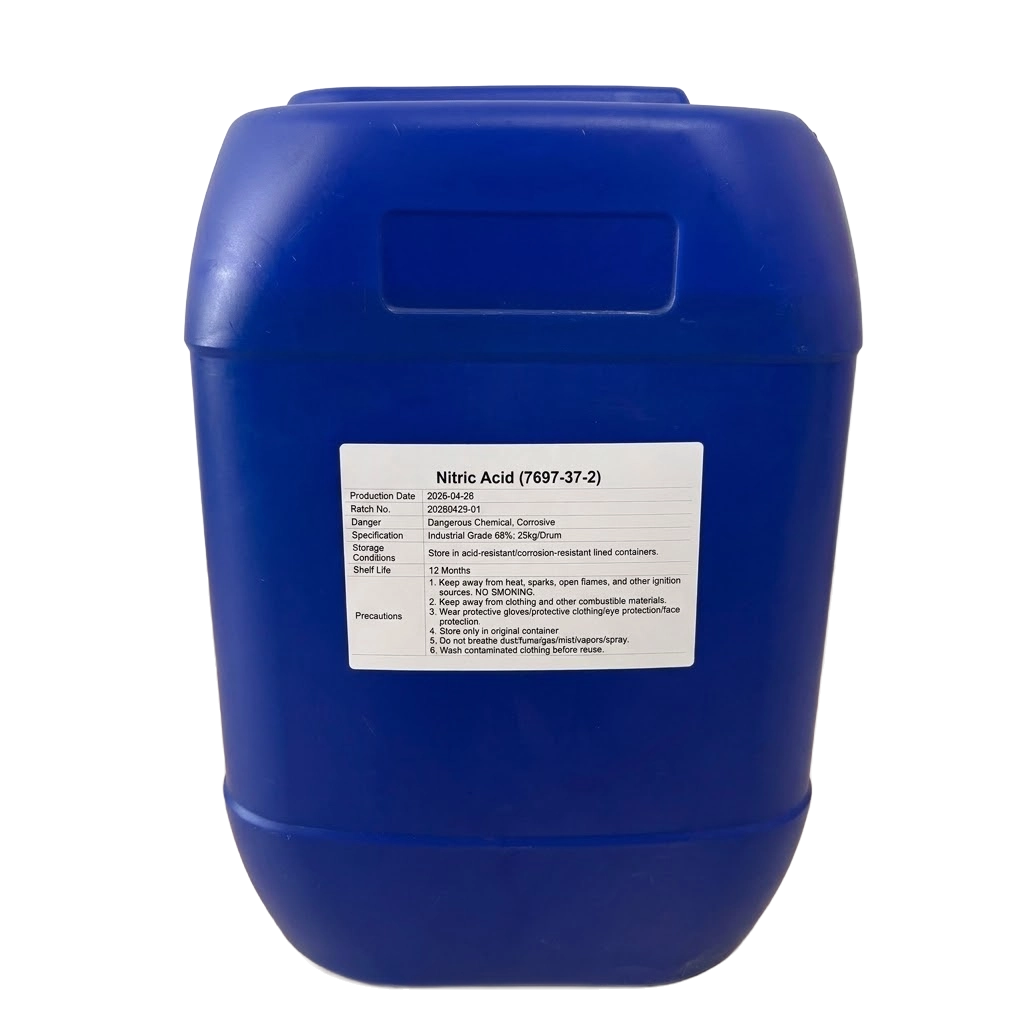
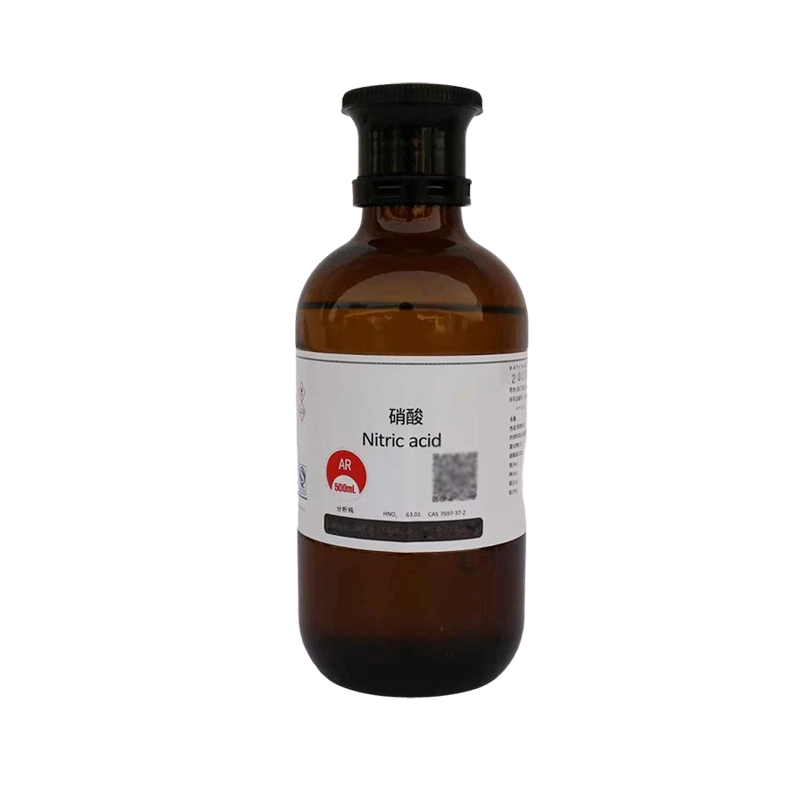
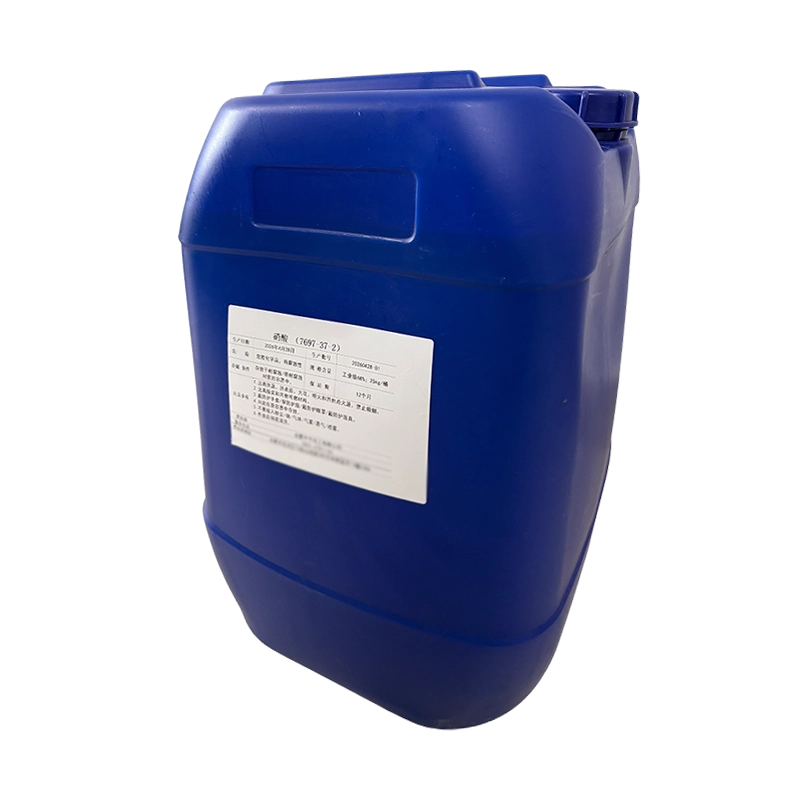
Nitric acid is a highly corrosive, strong mineral acid. In its pure form, it is a colorless liquid, but older samples tend to acquire a yellow cast due to decomposition into oxides of nitrogen and water.
질산 CAS 7697-37-2
설명
- CAS: 7697-37-2
- Synonyms: Aqua Fortis, Azotic Acid, Hydrogen Nitrate, Engraver's Acid
- Einecs: 231-714-2
- Molecular Formula: HNO_3
- Grade: Industrial Grade, Reagent Grade, Electronic Grade
- 포장: 필요에 따라
세부
일반적인 화학 반응:
- Acid-Base Reactions: As a strong acid, it reacts rapidly with bases, basic oxides, and carbonates to form nitrate salts.
- 산화: Nitric acid is a powerful oxidizing agent. It reacts violently with many non-metals and most metals, except noble metals like gold and platinum.
- Nitration: A crucial industrial reaction where nitric acid introduces a nitro group (NO_2) into organic compounds, typically in the presence of a catalyst like sulfuric acid.
- Passivation: Concentrated nitric acid passivates some metals (like iron, aluminum, and chromium) by forming a dense oxide layer that protects the bulk metal from further oxidation.
명세서
| 매개변수 | 사양 |
|---|---|
| 모습 | Clear, colorless to slightly yellow liquid |
| 분석 (순도) | Usually 60% – 70% (Concentrated), up to 98% (Fuming) |
| 녹는점 | -42 °C (for pure HNO_3) |
| 휘발성 | Highly volatile; emits choking fumes in moist air |
| 재 함량 | ≤ 0.01% (depends on grade) |
| 용해도 | 물과 어떤 비율로든 혼합 가능 |
| 열 안정성 | Decomposes upon heating or exposure to light, releasing nitrogen dioxide (NO_2) |
응용 프로그램
Nitric acid is a fundamental chemical precursor in various industries:
- Fertilizer Production: The largest use is in manufacturing ammonium nitrate (NH_4NO_3) and other nitrogenous fertilizers.
- 기능: Acts as the source of the nitrate ion, an essential nutrient for plant growth.
- Explosives and Munitions: Used to produce trinitrotoluene (TNT), nitroglycerin, and nitrocellulose.
- 기능: Acts as a nitrating agent to introduce unstable nitro groups into organic molecules.
- 화학 합성: Essential in the production of adipic acid (for nylon), polyurethanes, and various organic intermediates (dyes, pharmaceuticals).
- 기능: Primarily serves as a nitrating and oxidizing agent.
- Metal Processing & Etching: Used in pickling stainless steel, etching brass and copper, and refining precious metals (as a component of aqua regia).
- 기능: Dissolves metallic impurities and specific metals through oxidation.
- Cleaning Agents: Employed in the dairy and food industries (often in CIP – Cleaning In Place systems).
- 기능: Removes precipitated calcium and magnesium compounds (scale) from equipment.
저장 환경 요구 사항
- 통풍: Store in a well-ventilated, cool, and dry area.
- 온도: Keep away from heat sources and direct sunlight to prevent decomposition and pressure build-up.
- 분리: Strictly isolate from incompatible materials: organic materials, reducing agents, alkalis, combustible materials, and metals.
- 방지: Store in corrosive-resistant containers. Secondary containment is strongly recommended to manage spills.
- Security: Access should be restricted to authorized personnel only.
취급 및 사용 시 주의사항
- 개인 보호 장비(PPE): Always wear chemical splash goggles, a full face shield, acid-resistant gloves, and protective clothing (acid suit/apron).
- 통풍: Use only in a chemical fume hood or with adequate local exhaust ventilation to prevent inhalation of vapors.
- 희석 법칙: Always add acid to water slowly while stirring. NEVER add water to acid, as it can cause localized boiling and violent splattering.
- Emergency Equipment: Ensure safety showers and eyewash stations are easily accessible in the immediate work area.
- 유출 사고 대응: Do not use combustible materials (like sawdust) to absorb spills. Neutralize with soda ash or lime, following proper hazardous waste disposal procedures.
제형
- Aqua Regia (Royal Water): A mixture of Nitric Acid and Hydrochloric Acid, typically in a 1:3 molar ratio.
- 역할: Used to dissolve noble metals like gold and platinum. Nitric acid acts as a powerful oxidizer, while hydrochloric acid provides chloride ions to form soluble coordination complexes.
- Nitrating Mixture (Mixed Acid): A combination of concentrated Nitric Acid and concentrated Sulfuric Acid.
- 역할: Used extensively in organic synthesis. Sulfuric acid acts as a catalyst and dehydrating agent, promoting the formation of the reactive nitronium ion (NO_2^+) from the nitric acid.
- Passivation Solutions: Often a mixture of Nitric Acid and water (sometimes with sodium dichromate).
- 역할: Applied to stainless steel surfaces to remove free iron contaminants and promote the rapid formation of a protective chromium oxide layer, enhancing corrosion resistance.
포장 옵션
Packaging is customizable based on volume requirements and transport regulations. Common options include:
- Small Volumes (Reagent/Lab scale): Glass or specially treated plastic bottles.
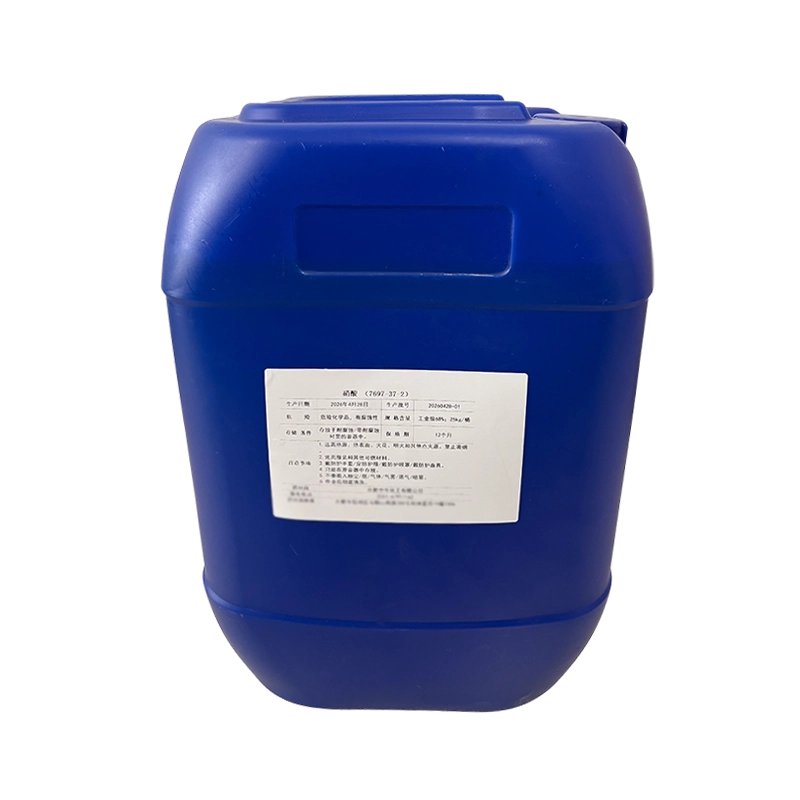
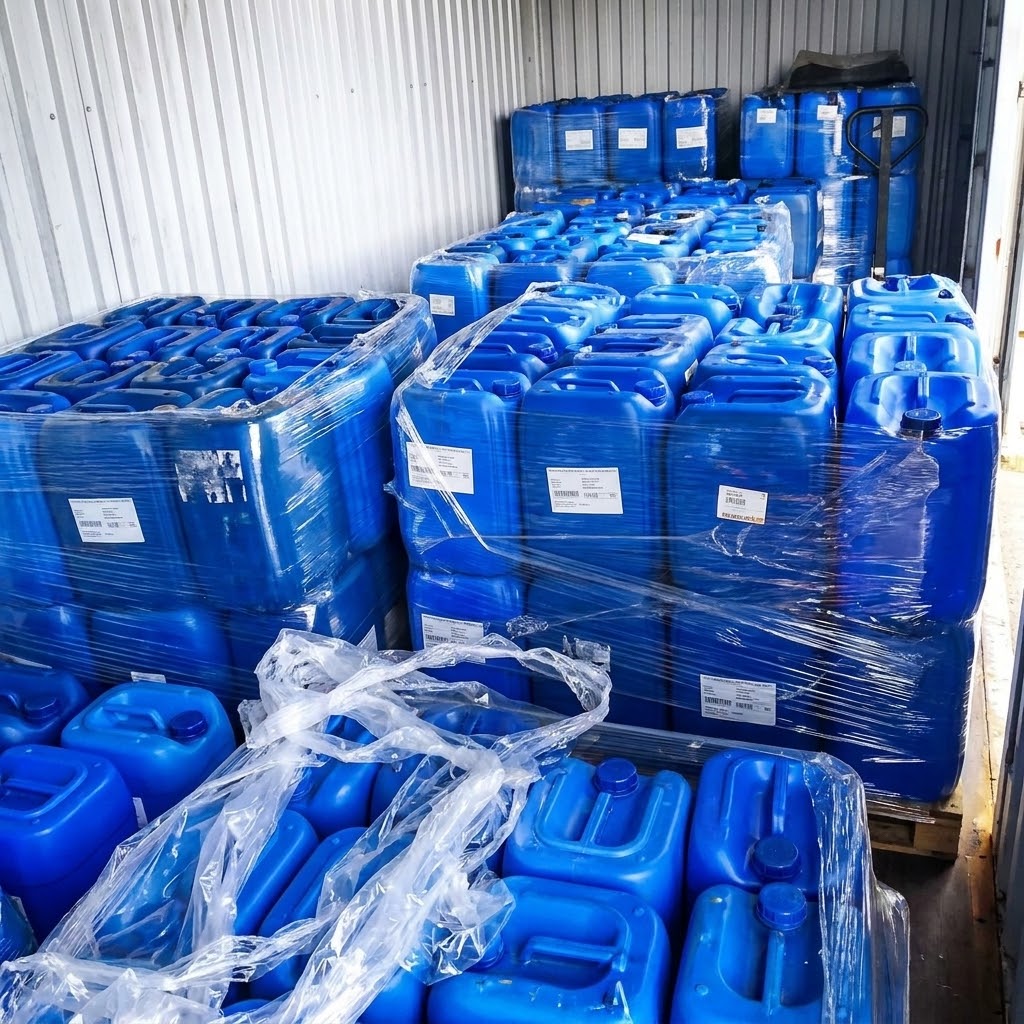
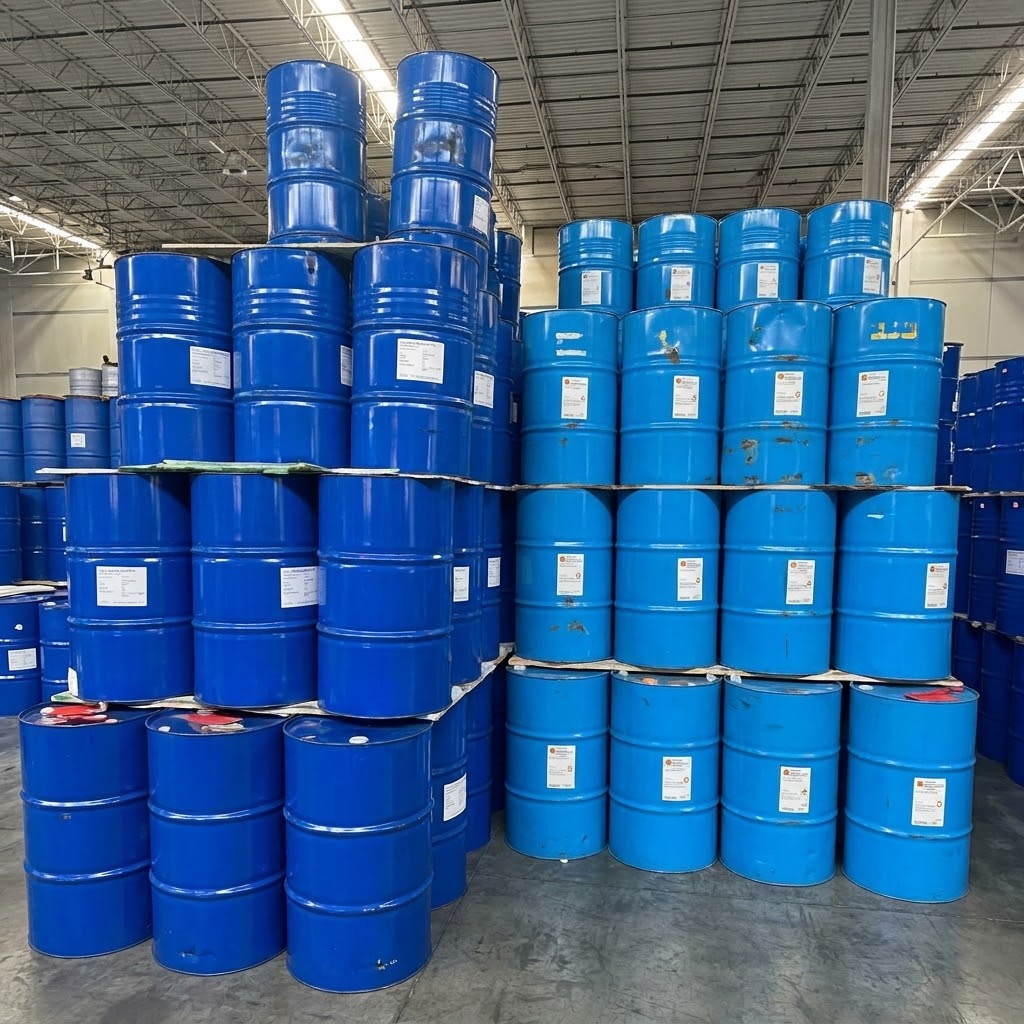
- Medium Volumes: High-Density Polyethylene (HDPE) drums or carboys.
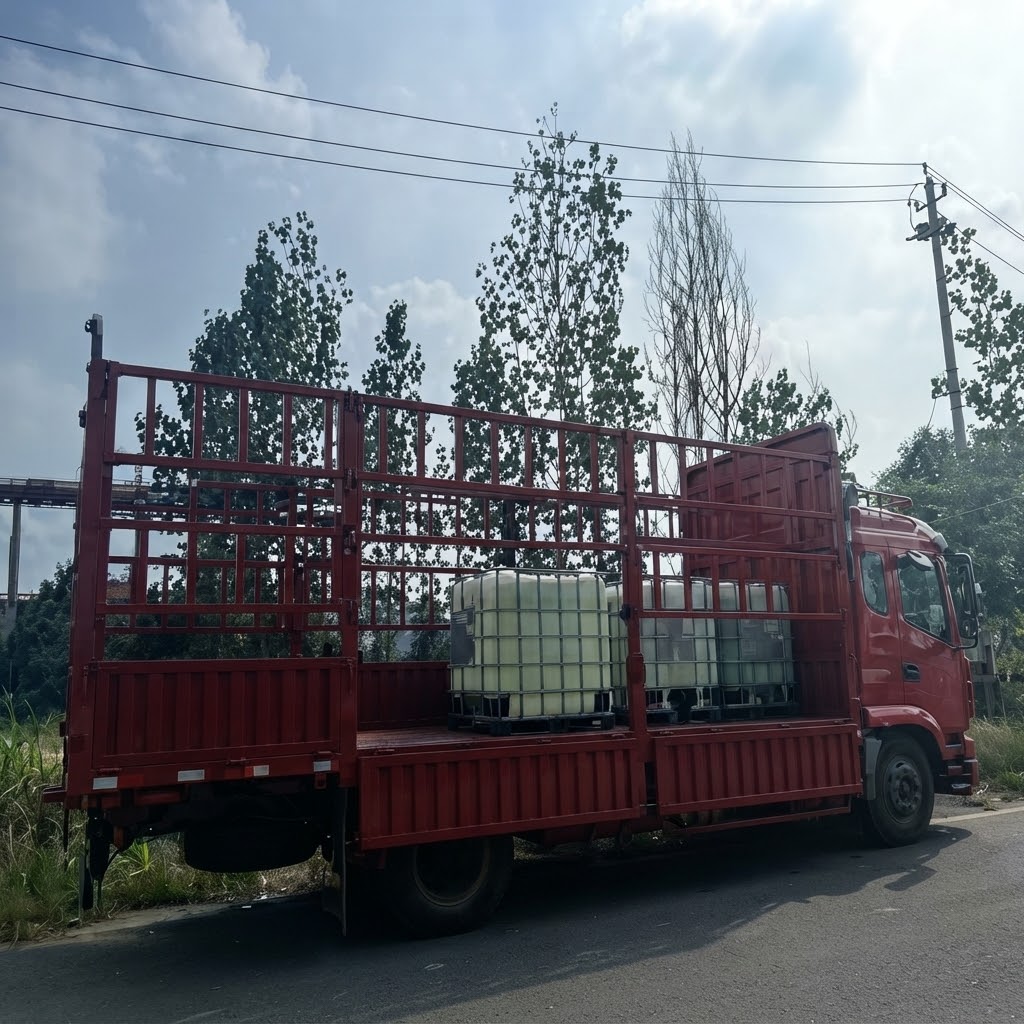
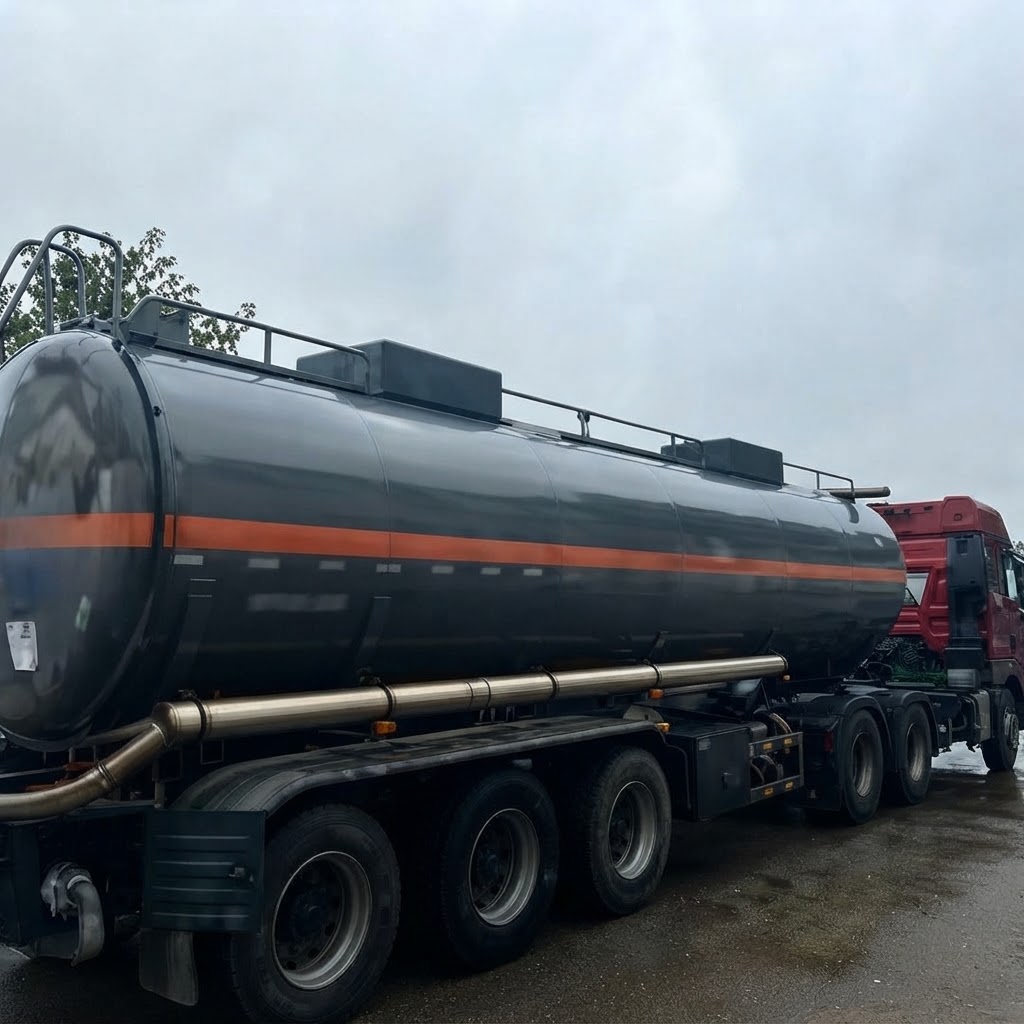
- Large/Industrial Volumes: Intermediate Bulk Containers, ISO tanks, or bulk road/rail tankers. (Note: Packaging material must be compatible with the specific concentration of the acid).
안전 및 규정 준수 선언
| Safety & Compliance Topic | Status/Details |
|---|---|
| SDS/MSDS 이용 가능 | Yes, available upon request |
| GHS 분류 | Oxidizing liquid, Corrosive to metals, Acute toxicity (inhalation), Skin corrosion, Serious eye damage |
| 유엔 번호. | UN 2031 (for ≤ 70% and >70% concentration, packing group varies) |
| 운송 등급 | Class 8 (Corrosive), Subsidiary Class 5.1 (Oxidizing) – depends on concentration |
| 위험 경고문 | H272 (May intensify fire; oxidizer), H290 (May be corrosive to metals), H314 (Causes severe skin burns and eye damage), H331 (Toxic if inhaled) |
| 라벨링 및 포장 규정 준수 | Compliant with international and local regulations |
| COA/TDS는 요청 시 제공 가능합니다. | 예 |
| 배치 추적성 | Fully traceable supply chain |
자주 묻는 질문
-
큐: 제품에 대한 자세한 정보를 얻는 방법은 무엇인가요?에이: 이메일을 통해 저희에게 연락하실 수 있습니다. info@ahzcengchem.com 또는 WhatsApp으로 연락주세요. +8618321309391 당사 제품 및 회사에 대한 자세한 정보는 다음을 참조하십시오.
-
큐: 해당 제품이 제형, 장비 및 공정에 관한 당사의 요구 사항을 충족합니까?에이: 네, 고객님의 특정 요구사항에 맞춰 제품 배합을 조정하여 가공 요건을 충족시켜 드리겠습니다.
-
큐: What happens if Nitric Acid turns yellow over time?에이: Pure nitric acid is colorless. Over time, especially when exposed to light or heat, it slowly decomposes to release nitrogen dioxide (NO_2), a brownish gas that dissolves in the liquid, giving it a yellow or brown tint. While this indicates some decomposition, the acid is usually still usable for many applications, though its exact concentration may be slightly reduced.
-
큐: Why must Nitric Acid be stored away from organic materials?에이: Nitric acid is a very strong oxidizing agent. If it comes into contact with organic materials (like wood, paper, solvents, or textiles), it can react violently, potentially causing the material to ignite spontaneously. This makes improper storage a significant fire and explosion hazard.
-
큐: Can I use standard plastic containers to store concentrated Nitric Acid?에이: Not all plastics are suitable. While dilute nitric acid can be stored in many plastics, concentrated nitric acid will attack and degrade certain types, potentially leading to leaks. High-Density Polyethylene (HDPE) or Teflon (PTFE) are generally preferred for certain concentrations, but glass or specially lined stainless steel are often required for highly concentrated or fuming nitric acid. Always consult the SDS for specific container recommendations.
-
큐: How does Nitric Acid behave differently as a dilute versus a concentrated acid?에이: While both are corrosive, their chemical behavior differs significantly. Dilute nitric acid primarily acts as a typical strong acid, reacting with metals to release hydrogen gas (though this is often masked by further reduction of the nitrate ion). Concentrated nitric acid acts primarily as a powerful oxidizing agent. It will dissolve metals like copper or silver (which don't react with standard acids like HCl) by oxidizing them, releasing nitrogen dioxide gas instead of hydrogen.