



Thiamine Hydrochloride CAS 67-03-8: From Basic Science to Supply Chain Applications
Release time: 2026-09-13
목차
1. Why is this specific salt a crucial Vitamin B1 raw material?
In the global nutritional and pharmaceutical supply chain, the selection of raw materials dictates the efficacy, stability, and commercial viability of the final consumer product. The hydrochloride salt of thiamin stands out as one of the most critical active pharmaceutical ingredients (APIs) and nutritional additives available today. Its importance stems primarily from its unparalleled solubility in aqueous solutions, making it the undisputed biochemical of choice for liquid formulations, intravenous therapies, and fortified beverages.
Unlike other derivatives that may struggle to dissolve rapidly or completely, this specific compound integrates seamlessly into complex liquid matrices without leaving particulate residue or requiring excessive agitation. Furthermore, as the world increasingly focuses on preventative healthcare, functional foods, and advanced veterinary sciences, the demand for highly bioavailable, rapid-acting nutritional components has surged. This compound serves as the foundational building block for addressing critical metabolic deficiencies across mammalian species. By providing a stable, standardized, and highly pure source of this essential nutrient, chemical manufacturers empower downstream formulators to create life-saving injectables, energy-boosting consumer drinks, and fortified life-stage specific pet diets, securing its position as an indispensable pillar of modern nutrition and medicine.
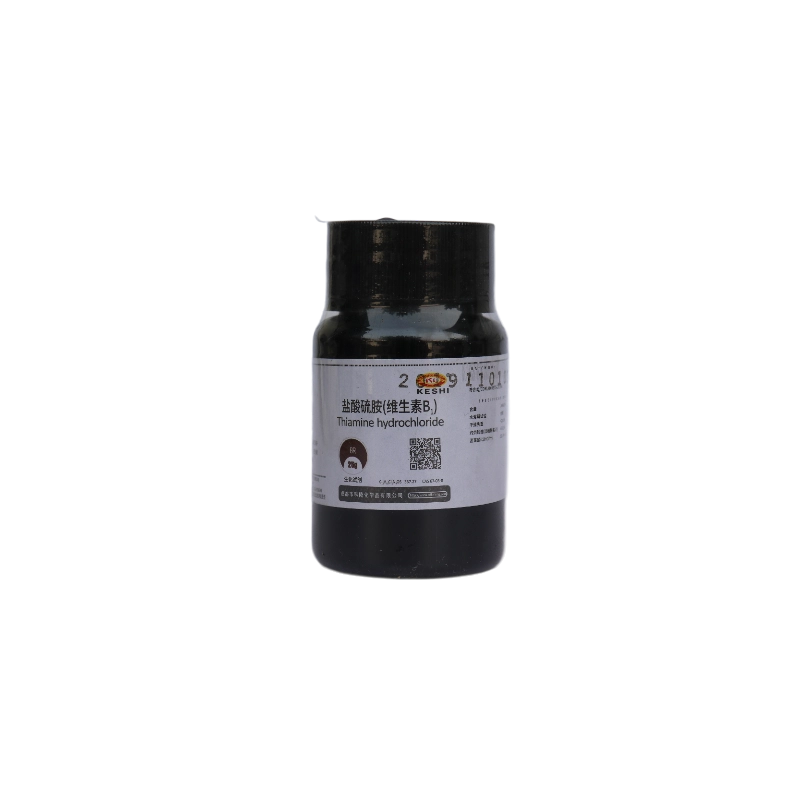
2. What exactly is Thiamine Hydrochloride?
To understand the utility of this compound, one must examine its foundational chemical identity. It is the chloride salt form of thiamin, synthesized through precise chemical processes to yield a highly pure, bioactive crystalline powder. The compound is identified globally by the registry number CAS 67-03-8, which serves as a unique identifier for regulatory, safety, and supply chain tracking across international borders.
Chemically, it is composed of a pyrimidine ring and a thiazole ring linked by a methylene bridge, stabilized by hydrochloric acid to form a salt. Its empirical formula is C12H17ClN4OS·HCl, and it possesses a molecular weight of approximately 337.27 g/mol. This structural configuration is deliberate; the addition of the hydrochloride group drastically alters the physical properties of the base molecule, shifting it from a challenging-to-handle substance into a highly soluble and manageable ingredient. In manufacturing environments, it is typically produced through multi-step organic synthesis, ensuring that the final output meets strict pharmacopeial standards such as USP (United States Pharmacopeia), EP (European Pharmacopoeia), and FCC (Food Chemicals Codex). This rigorous standardization guarantees that every batch delivers exact, predictable dosing for medical and nutritional applications.
3. The Role of the Nutrient
3.1 Biological Positioning of Vitamin B1
Thiamin is classified as an essential, water-soluble B-complex nutrient. Mammals cannot synthesize this compound endogenously in sufficient quantities, meaning it must be continuously acquired through dietary intake or targeted supplementation. Because it is water-soluble, the body does not store it in large amounts; excess is rapidly excreted via the renal system, making daily replenishment a biological necessity.
Upon absorption in the small intestine, the base nutrient is transported to cellular environments where it undergoes a critical transformation. It is phosphorylated by the enzyme thiamin diphosphokinase to form its physiologically active derivative: thiamin pyrophosphate (TPP), also known as cocarboxylase. This active coenzyme acts as the biological spark plug for cellular respiration.
Its core value lies in its indispensable role in carbohydrate metabolism and energy production. TPP is a mandatory cofactor for several crucial enzyme complexes, including pyruvate dehydrogenase and alpha-ketoglutarate dehydrogenase, which are vital components of the citric acid cycle (Krebs cycle). Without it, the body cannot effectively convert glucose into ATP (adenosine triphosphate), cellular energy plummets, and lactic acid accumulates. Furthermore, it is essential for the normal functioning of the central and peripheral nervous systems, facilitating the synthesis of neurotransmitters like acetylcholine and maintaining the myelin sheath that protects nerve fibers. For B2B enterprises—spanning food processing, nutraceuticals, and animal health—the hydrochloride salt is routinely leveraged as the most reliable, fast-acting source to fulfill these profound biological mandates.
3.2 Conversion Logic: From Raw Material to Physiological Function
To bridge the gap between chemical procurement and biological efficacy, it is helpful to visualize how this ingredient transitions from a bulk industrial powder to a systemic biological catalyst. The table below outlines the hierarchical conversion logic.
| Hierarchical Level | Content | Industrial & Biological Mechanism |
|---|---|---|
| Raw Material Layer | Provision of Nutrient Source | Bulk thiamin HCl is formulated into a delivery system (liquid, capsule, injection) ensuring accurate dosing and stability. |
| Absorption & Conversion Layer | Entry and Phosphorylation | Upon ingestion or injection, the salt dissociates. The free base enters circulation and is enzymatically converted into active coenzymes (e.g., TPP). |
| Physiological Function Layer | Metabolic and Enzymatic Action | The coenzymes bind to critical enzyme systems, facilitating carbohydrate breakdown, ATP generation, and nerve signal transmission. |
| Nutritional Application Layer | Supplementation and Fortification | Resolves clinical deficiencies, supports elevated metabolic demands, and maintains basal neurological and metabolic health. |
| B-End Product Layer | Commercial Formulations | Manufactured into food & beverages, dietary supplements, animal feeds, pet nutrition, and clinical pharmaceuticals. |
4. Salt Comparison: Hydrochloride vs. Thiamine Mononitrate
A critical decision for any formulator is selecting the correct chemical salt. The two dominant industrial forms of this nutrient are the hydrochloride salt and Thiamine Mononitrate. Making the wrong choice can lead to massive product failures, degraded shelf life, and compromised efficacy. Understanding their disparate physical properties is paramount.
Water Solubility: The most profound difference between the two lies in their affinity for water. The hydrochloride salt is exceptionally water-soluble, dissolving at a rate of approximately 1 gram per 1 milliliter of water. This makes it the absolute gold standard for liquid formulations. In contrast, the nitrate salt is significantly less soluble (approximately 1 gram per 35 milliliters of water). If a formulator attempts to use the nitrate version in a high-concentration liquid syrup or energy drink, they will likely encounter precipitation, cloudiness, and uneven dosing.
Hygroscopicity and Moisture Resistance: While the chloride salt triumphs in liquids, it possesses a notable weakness in dry environments: it is highly hygroscopic. It readily absorbs moisture from the surrounding air. In dry powder blends, capsules, or compressed tablets, this absorbed moisture can lead to clumping, degradation of adjacent active ingredients, and failure of the tablet matrix. Here, the mononitrate form excels. Because the nitrate group lacks the moisture-attracting properties of the chloride group, it is non-hygroscopic. It remains stable, free-flowing, and intact even in moderately humid manufacturing environments.
Formulation Stability & Application Fit: Due to these properties, the industry adheres to a strict division of labor. The hydrochloride compound is the primary choice for clear beverages, intravenous drips, ampoules, and liquid dietary drops. Conversely, the nitrate alternative is the default choice for dry applications, including fortified baking flours, compressed multivitamin tablets, dry cereal fortifications, and pelleted animal feeds.
| Feature / Property | The Hydrochloride Salt | The Nitrate Salt |
|---|---|---|
| Chemical Counterion | Chloride (HCl) | Nitrate (NO3) |
| 수용성 | Very High (~1g/1mL) | Low (~1g/35mL) |
| 흡습성 | High (Absorbs ambient moisture) | Very Low (Stable in dry conditions) |
| Primary Advantage | Creates clear, high-concentration liquids | Excellent stability in dry powder mixes |
| Best Application Fit | Beverages, Syrups, IV Injections | Flour, Cereals, Tablets, Dry Animal Feed |
5. Major Application Areas & Downstream Client Needs
5.1 Food Nutritional Fortification
The modern consumer demands functional foods that do more than simply satiate hunger; they expect their food to provide targeted health benefits. In the food sector, the highly soluble chloride salt is utilized extensively in the beverage industry. Energy drinks, sports recovery waters, and fortified juices rely on this compound to deliver a metabolic boost without compromising the clarity or mouthfeel of the liquid. Downstream clients in this sector require raw materials that dissolve instantly at cold temperatures and remain uniformly distributed throughout the shelf life of the beverage.
5.2 Dietary Supplements & Health Products
In the nutraceutical realm, this compound is heavily featured in B-complex formulations, stress-relief supplements, and energy-boosting capsules. While dry tablets often utilize the nitrate alternative, liquid gel capsules, sublingual drops, and liposomal delivery systems depend on the exceptional solubility of the chloride salt. Supplement manufacturers demand a high-purity API that can pass stringent heavy metal and microbial testing, ensuring the final health product is safe for daily, long-term consumer consumption.
5.3 Pharmaceuticals and Medical Preparations
The pharmaceutical sector demands the highest echelon of purity and quality control. Clinically, this active ingredient is used to formulate life-saving intravenous (IV) and intramuscular (IM) injections. These are crucial for treating severe deficiencies, such as Beriberi, or Wernicke-Korsakoff syndrome—a neurological complication frequently seen in severe alcohol use disorder where intestinal absorption of nutrients is fatally compromised. Pharmaceutical clients require cGMP-certified materials that guarantee sterility, exact molecular weight assays, and complete absence of endotoxins.
5.4 Feed, Pet Nutrition & Animal Health
Animals, like humans, require constant dietary replenishment of essential coenzymes. In veterinary medicine and pet nutrition, neurological health and efficient energy conversion are paramount. A deficiency in cats and dogs can lead to severe neurological deterioration, anorexia, and cardiovascular failure. In livestock, particularly ruminants experiencing dietary shifts, polioencephalomalacia (a severe brain disorder) can occur if this nutrient is lacking. The compound is widely used in liquid feed supplements, veterinary injectables, and premium canned pet foods where moisture content is high, ensuring rapid absorption and metabolic recovery for the animal.
5.5 Research, Testing & Lab Applications
Beyond commercial consumption, this chemical serves as a vital laboratory reagent. Research institutions, diagnostic laboratories, and biotechnology firms utilize it as an analytical standard for high-performance liquid chromatography (HPLC) and mass spectrometry. Furthermore, it is a mandatory component in cellular culture media, supporting the in vitro growth of mammalian cells, bacteria, and yeast for genetic research and biopharmaceutical production.
6. Key Physicochemical Properties & Formulation Stability
6.1 Appearance and Sensory Attributes
In its raw, unformulated state, the compound presents as a white or nearly white crystalline powder. It possesses a characteristic, slightly yeasty or meaty odor, often described as resembling the scent of roasted meat or nuts. This distinct aroma is due to the presence of sulfur within its thiazole ring. It has a slightly bitter taste. Formulators must account for these sensory attributes, particularly in chewable supplements or unflavored beverages, often requiring advanced flavor-masking technologies to ensure consumer palatability.
6.2 Solubility & Solution Applications
As previously established, its solubility is exceptional. It dissolves freely in water and is slightly soluble in ethanol, but insoluble in non-polar solvents like ether or chloroform. In aqueous solutions, it is naturally acidic; a 1% solution typically exhibits a pH between 2.7 and 3.4. This inherent acidity must be considered during formulation, as combining it with highly alkaline ingredients can cause rapid chemical degradation.
6.3 Heat, Light, Humidity & Oxidation Risks
The stability of this molecule is highly dependent on environmental and formulation conditions.
- pH Sensitivity: It is incredibly stable in acidic environments (pH < 5.5) but degrades rapidly when exposed to neutral or alkaline conditions (pH > 7.0). In alkaline solutions, the thiazole ring opens, irreversibly destroying its biological activity.
- Heat Degradation: It is thermolabile. Prolonged exposure to high heat, especially in the presence of moisture, accelerates its degradation. In food processing, baking, or retorting (canning), significant nutrient losses can occur, requiring formulators to add “overages” to guarantee label claims are met at the end of shelf life.
- Light Sensitivity: Ultraviolet light can cause the molecule to photo-degrade over time, necessitating the use of opaque or amber packaging for liquid formulations.
- Maillard Reaction: Because it contains an amino group, it is susceptible to the Maillard reaction when heated in the presence of reducing sugars. While this can sometimes be utilized intentionally to create savory meat flavors in the flavor industry, it represents a loss of nutritional value in dietary formulations.
7. Storage, Packaging, Transport, & Operational Safety
To preserve the chemical integrity and biological efficacy of the API, strict supply chain controls are mandatory.
- Storage: The bulk powder must be stored in a cool, dry environment, ideally below 25°C. It must be protected from direct sunlight and ambient humidity.
- Packaging: Standard industrial packaging involves double-lined polyethylene bags housed within heavy-duty fiber drums or HDPE barrels. The inner bags are often tightly sealed to prevent moisture ingress, and desiccants may be included in secondary packaging.
- Transport: While not classified as a hazardous material for transport, it must be shipped in climate-controlled containers if traversing zones with extreme heat or humidity to prevent molecular degradation prior to formulation.
- 운영 안전: In manufacturing facilities, standard personal protective equipment (PPE) is required. While non-toxic, the fine crystalline powder can act as a mild respiratory and ocular irritant. Factory workers handling bulk transfers should utilize N95 dust masks, safety goggles, and nitrile gloves to prevent localized irritation and ensure adherence to occupational safety guidelines.
About ZCChem Thiamine Hydrochloride CAS 67-03-8

| 목 | 사양 |
| 모습 | 흰색 또는 거의 흰색에 가까운 분말 또는 결정 |
| Identification | Should be positive reaction |
| ( 2 )Consistent with the reference IR spectra | |
| Appearance of solution | clear,no more colour thanreference solution Y7 or GY7 |
| PH | 2.7-3.3 |
| Sulphates | NMT300ppm |
| Limit of nitrate | No brown ring is produced at the junction of the two layers |
| Lead | NMT2ppm |
| Cadmium | NMT1.0ppm |
| Mercury | NMT0.1ppm |
| Arsenic | NMT1.0ppm |
| 물 | NMT5.0% |
| Residue on ignition | NMT0.1% |
| Absorbance of solution | NMT0.025 |
Contact for Thiamine Hydrochloride CAS 67-03-8 Datasheet
자주 묻는 질문
Why does my liquid formulation lose its nutritional potency over time, even when sealed?
Nutrient degradation in liquid formulations is typically driven by pH, temperature, or light. If your liquid base has a pH higher than 5.5, the molecule will naturally hydrolyze and lose activity over time. Additionally, if the product is stored at elevated temperatures or packaged in clear bottles exposed to UV light, the degradation accelerates. To resolve this, ensure the formulation is properly buffered to an acidic pH, store the product in a cool environment, and utilize opaque or UV-blocking packaging.
Can I use the chloride salt form in my pressed multivitamin tablets instead of the nitrate form to save on costs?
It is highly discouraged to use the chloride salt in dry, compressed tablets. Because it is intensely hygroscopic, it will draw moisture from the air during manufacturing and throughout its shelf life. This moisture can cause the tablet to swell, spot, or crumble, and can catalyze chemical reactions that degrade other sensitive vitamins (like Vitamin C) in your multi-nutrient blend. The nitrate form is the industry standard for tablets precisely because it resists this moisture uptake.
How do we compensate for the nutrient loss that occurs during high-heat food processing like baking or canning?
Because this nutrient is thermolabile, heat processing will inevitably cause a percentage of it to degrade. Formulators compensate for this by calculating an “overage.” If you need 100% of the daily value to remain at the end of a product’s shelf life, you may need to add 130% to 150% of the active ingredient during the initial mixing phase. The exact overage depends on the peak temperature, the duration of heat exposure, and the moisture content of the food matrix. Conducting rigorous stability testing during the R&D phase is essential to calculate the precise overage required for your specific product.